
TFT Displays, Medical Monitors and Embedded Systems for Medical Diagnostics
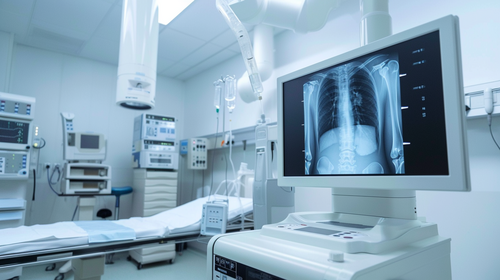
- clear, high-contrast image presentation
- wide viewing angles for collaborative use
- responsive PCAP touch interaction
- hygienic front surfaces suitable for cleaning
- long-term availability for extended product lifecycles
- rapid processing of imaging and diagnostic data
- real-time monitoring and response to patient inputs
- integration of AI and machine learning for enhanced analysis
- compact system architectures for portable and space-constrained devices
Touch integration for intuitive operation
Touchscreen technology is essential in modern diagnostic devices, providing a direct and intuitive way for clinicians to interact with complex systems.
Well-designed touch integration ensures:
- accurate and responsive input, even in demanding environments
- reliable operation with gloves or in clinical conditions
- simplified navigation of complex datasets and interfaces
- reduced risk of user error during operation
As diagnostic platforms become more feature-rich, intuitive touch interaction is key to maintaining efficiency and usability.
Power solutions for continuous, dependable operation
Reliable power design is fundamental to the safe and consistent operation of diagnostic equipment. This is particularly important in portable, mobile and point-of-care devices, where uninterrupted performance is critical.
Power solutions must deliver:
- stable and efficient energy conversion
- long operational lifetimes
- compliance with medical safety standards
- compact designs suited to integrated systems
A well-designed power architecture ensures that diagnostic devices remain dependable across a wide range of operating conditions.
Integrating Advanced Components:
- System Integration: Ensuring that all components work in harmony, maintaining the integrity and reliability of diagnostic data.
- User Experience: Crafting interfaces that meet the specific needs of healthcare professionals, enhancing the usability of diagnostic tools.
- Regulatory Compliance: Adhering to stringent health and safety standards, which influence the selection of materials and technologies.
- Durability and Reliability: Components must withstand the demands of clinical environments, maintaining performance over time.
By addressing these considerations, design engineers are at the forefront of creating diagnostic equipment that not only meets the evolving needs of the healthcare industry but also significantly improves the quality and efficiency of patient care.